Use of tidal mangrove forest by Bornean Bristlehead in Sarawak, Malaysian Borneo
Dixon Lau
Independent Citizen Scientist, Sarawak, Malaysian Borneo
Published: 17 June 2026
Introduction
The Bornean Bristlehead Pityriasis gymnocephala is an endemic species of Borneo generally associated with lowland primary forest, including mixed dipterocarp and swamp forest habitats (Smythies & Davison 1999; MacKinnon et al. 2013). While the species is occasionally reported across a range of lowland forest types, including swamp and disturbed forest edges, records from tidal mangrove systems remain poorly documented in standard references.
Here, I report three independent observations of Bornean Bristlehead within a tidal mangrove system in Sarawak, providing evidence of habitat use by the species in this environment.
Study area and methods
Observations were conducted within an approximately 9.4 km² tidal mangrove system in Sarawak. The site was intersected by a raised road extending approximately 5 km through the mangrove, although observations were restricted to approximately 3 km of accessible mangrove-lined road where vegetation remained on both sides.
Tidal influence was evident throughout the site, with rivers connected to the sea and mangrove vegetation characterised by exposed stilt roots (Fig. 1). Opportunistic observations were made along the accessible road sections. All observations were made from the edge of mangrove vegetation adjacent to the road.
Figure 1. Habitat characteristics of the study site:
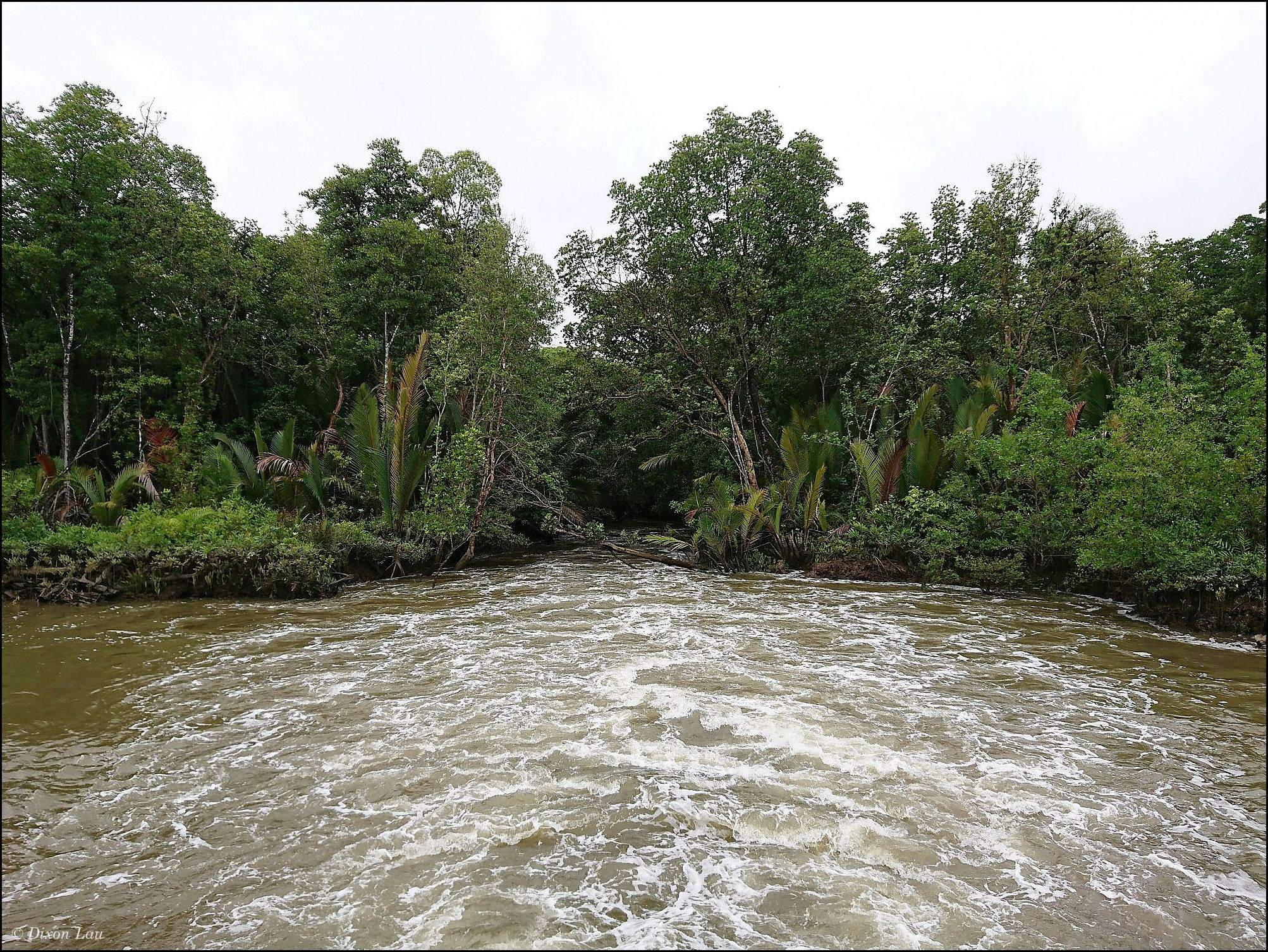
Figure 1A. Strong water movement during tidal exchange through a drainage channel beneath a raised road.
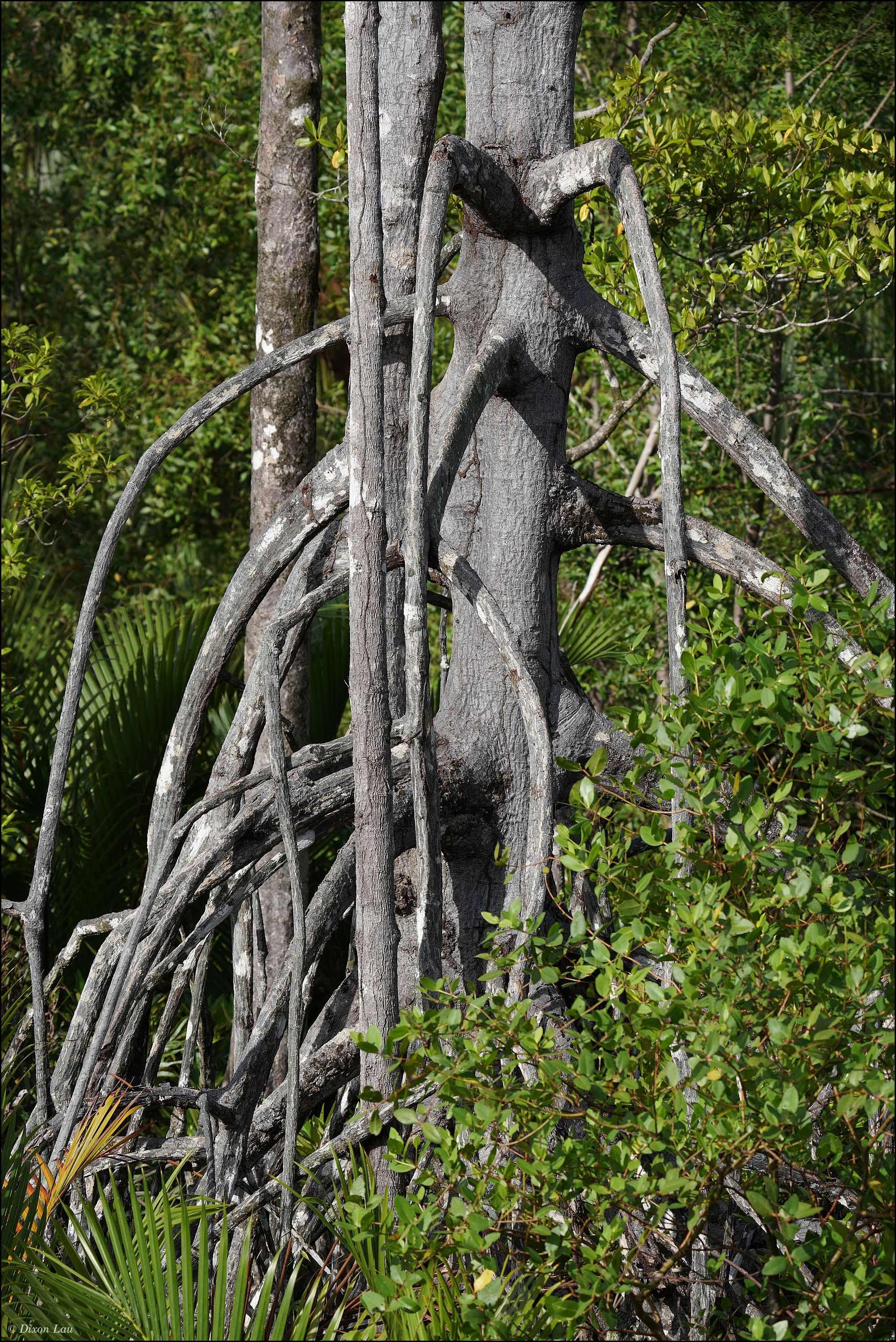
Figure 1B. Mature mangrove tree with prominent stilt and buttress roots.
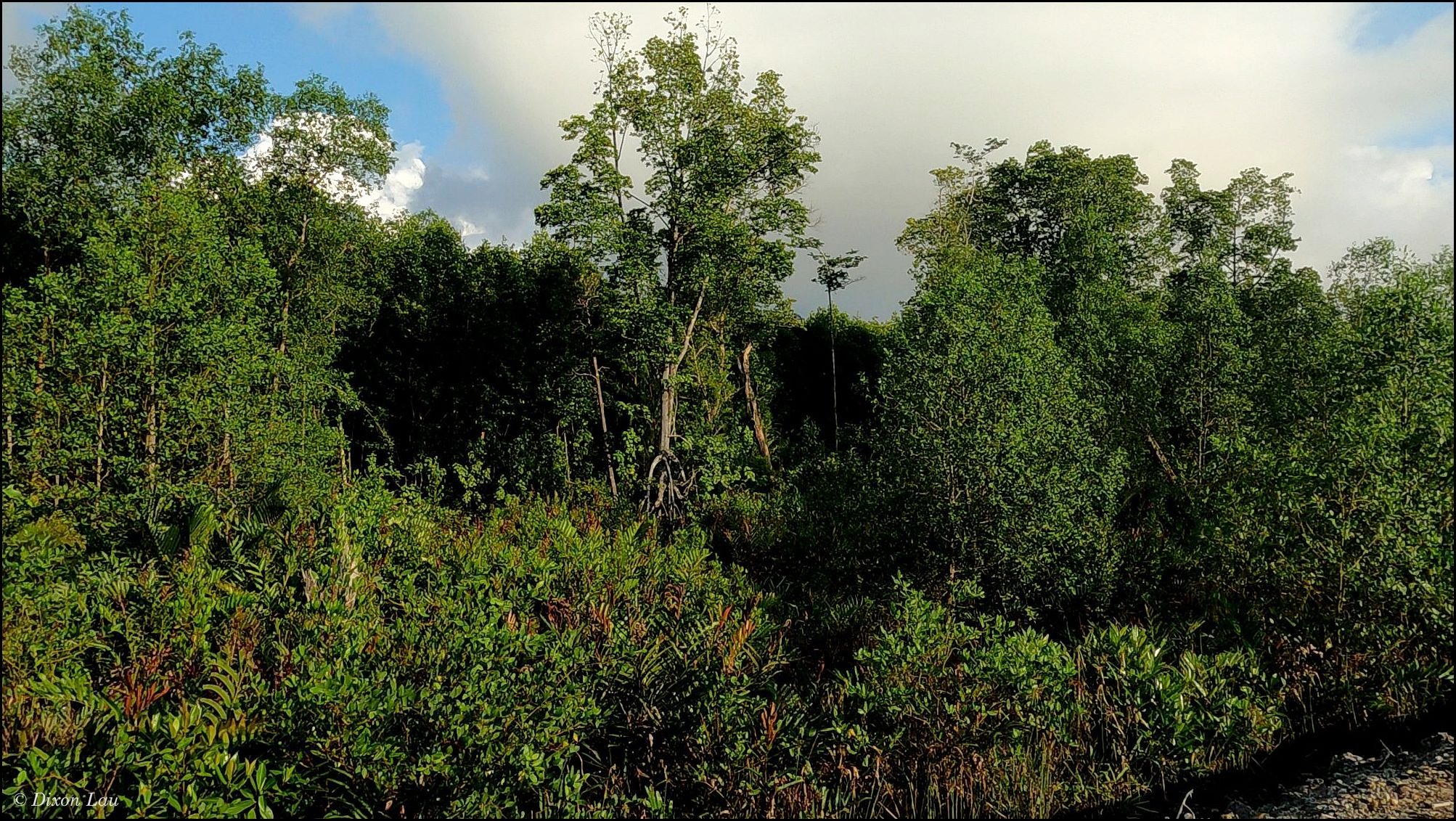
Figure 1C. Dense mangrove vegetation with regenerating understorey and exposed stilt roots.
Observations
Three independent encounters were recorded. Representative images of behaviour are shown in Figure 2.
On 1 March 2023 (12:40–13:05 h), approximately six individuals were observed actively foraging within the mangrove canopy. Vocalisations were frequently heard during the observation period.
On 16 March 2023 (10:44–11:22 h), a group of approximately eight individuals was observed. The birds were highly active, engaged in foraging behaviour and vocalising continuously, and remained in the area after the observer departed.
On 19 May 2023 (07:51–08:10 h), approximately four individuals were observed foraging within the mangrove canopy, with associated vocal activity.
Figure 2. Bornean Bristleheads observed at the study site:
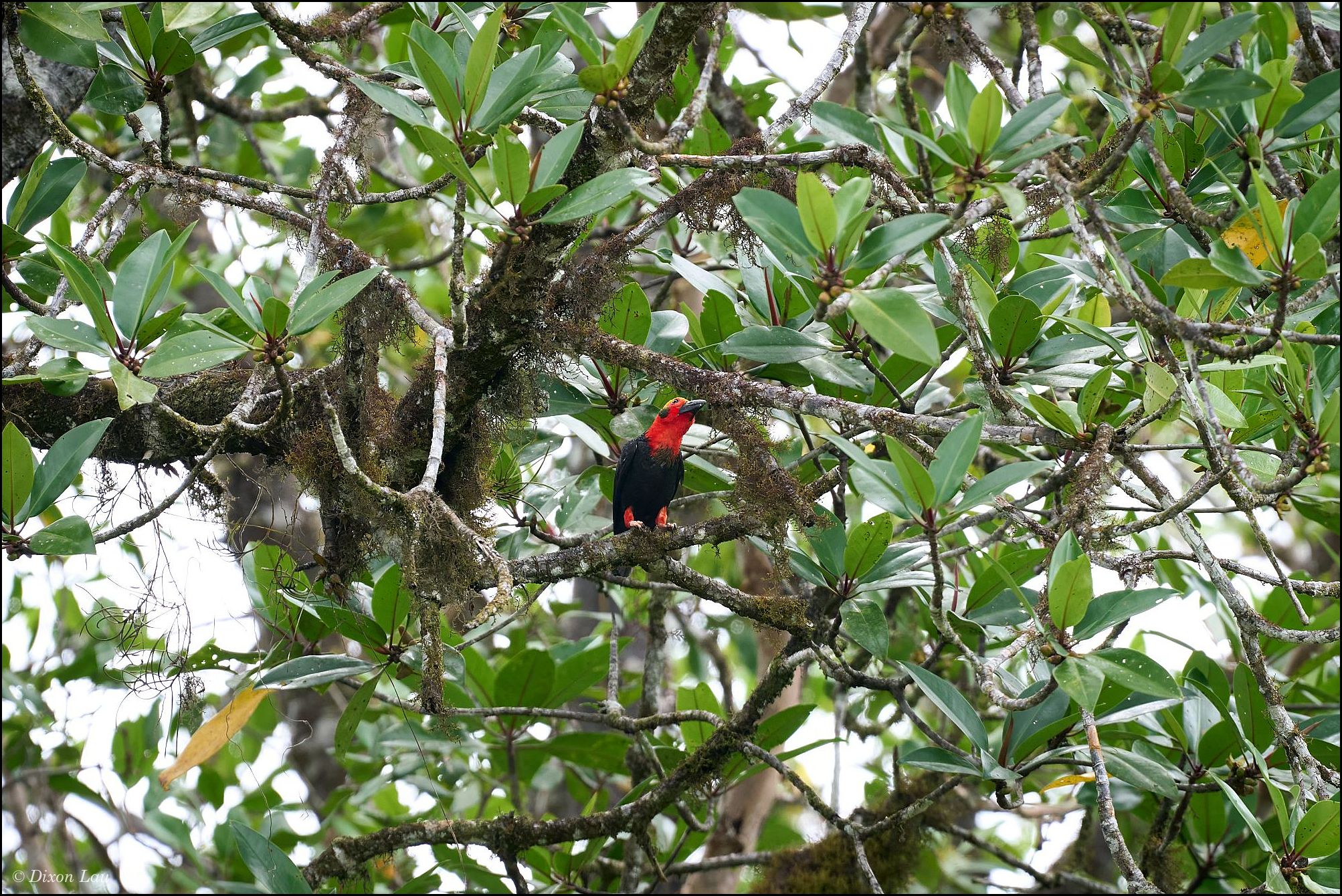
Figure 2A. Perched in mangrove canopy.
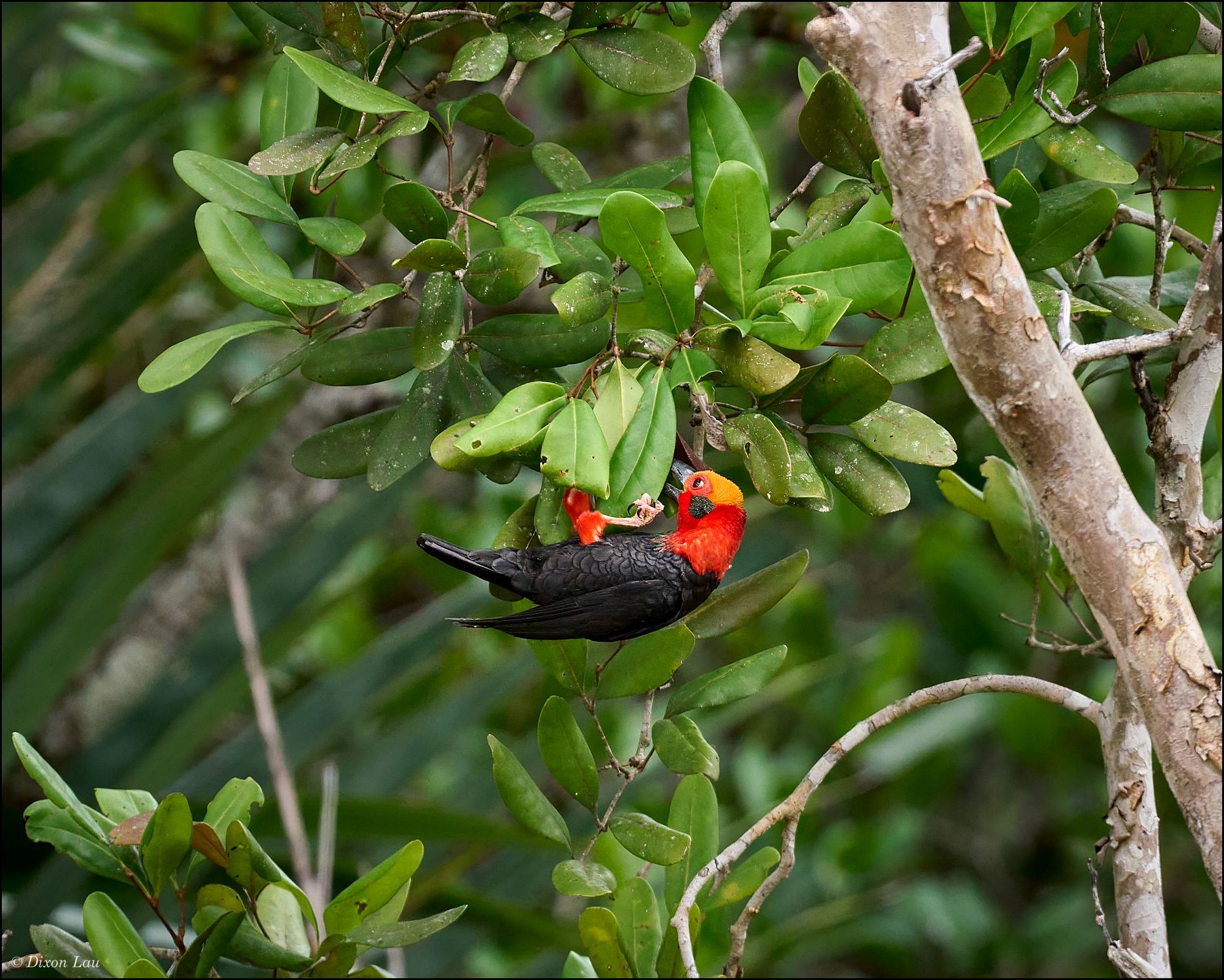
Figure 2B. Exhibiting inverted foraging behaviour.
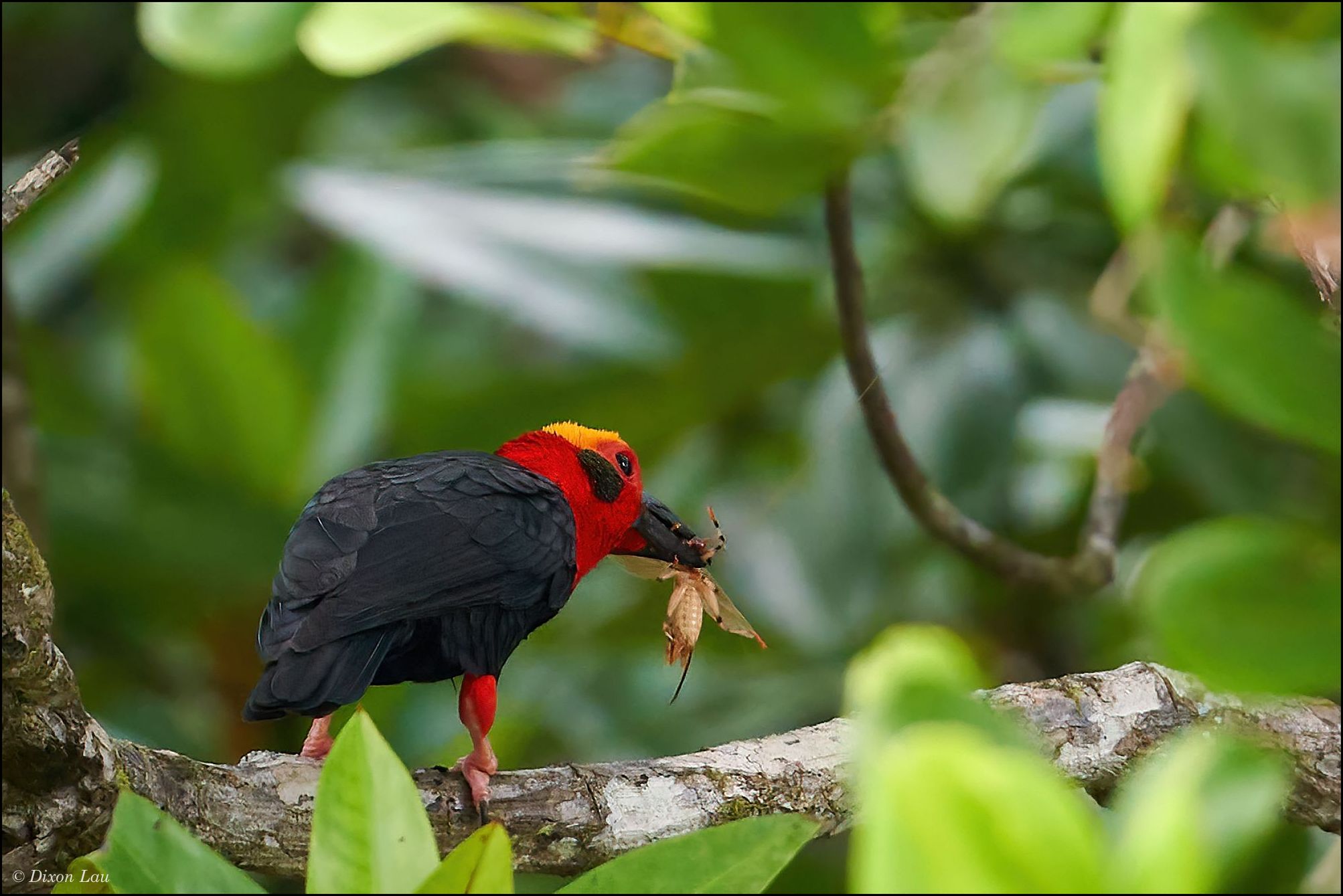
Figure 2C. Carrying a large arthropod prey.
Discussion
The Bornean Bristlehead is generally regarded as a species associated with lowland forest habitats, including mixed dipterocarp and swamp forests, with limited documentation from tidal mangrove systems (Smythies & Davison 1999; MacKinnon et al. 2013). The repeated observations presented here, spanning three independent encounters over an approximately 80-day period, indicate that the species can occur and actively forage within tidal mangrove habitat in Sarawak.
All records involved multiple individuals engaged in active foraging and vocalising within mangrove vegetation, suggesting that the habitat was used regularly rather than only traversed. Although observations were restricted to edge habitats along an accessible road, the surrounding landscape comprised a continuous tidal mangrove system characterised by strong tidal influence and mature mangrove vegetation with exposed stilt roots.
These records suggest that tidal mangrove forest may form part of the foraging habitat of the Bornean Bristlehead in at least some mangrove landscapes in Sarawak. However, there is currently no evidence of breeding activity or long-term residency within mangrove habitat, and further systematic surveys would be required to determine the extent and ecological importance of mangrove use by this species.
Acknowledgements
Field observations were conducted independently. No external assistance was received during the study.
References
- MacKinnon, J., Phillipps, K., & van Balen, B. (2013). Birds of Borneo, Sumatra, Java and Bali. Oxford University Press
- Smythies, B.E. & Davison, G.W.H. (1999). The Birds of Borneo. Natural History Publications (Borneo).
Citation
Lau, D. (2026). Use of tidal mangrove forest by Bornean Bristlehead in Sarawak, Malaysian Borneo. https://personalfieldnotes.com/bristlehead-mangrove-sarawak/